Patient Parenting 101

Easy behavior modification techniques to change the way you parent.

3 things you can do to stop your child from Talking Back:

Hi! We have all experienced it as a parent, that embarrassing,  frustrating, infuriating moment when you child talks back to you. In our house we call it “being fresh”. My son has tried every tone with me. The three techniques that I have found the most helpful for ending this power struggle before it even begins are:

1.) Teach your child that talking that way will NOT get them what they want.

Never reinforce this behavior by giving them an item or situation that they want. You can simply say “I am not going to talk or respond to you while you have that tone with me. Once you change your tone I will be glad to listen.”  Then be consistent.

2.) “Try that again.”

This is my favorite approach because it expands on #1 and actually TEACHES the child how to respond appropriately. If my son responds with a “fresh” tone I say “Try it again.” He then has to leave the room, gather himself and re-enter with a new, appropriate statement.

Some times a child really doesn’t know how to ask for things, recognize emotions or properly communicate. That is why this approach is helpful for both parents and children. You may see that your child is frustrated in the moment and you can identify that for them so they can recognize that emotion in the future. We have all lashed out when we were feeling angry or frustrated. This techniques teaches a child from a young age how to appropriately handle these types of situations. “I’m frustrated right now” is an appropriate response. “I hate you!” is not.

3.) Look at the child’s situation and surroundings.

Take the time to look at, really look at the surroundings. What kind of talk occurs around your child? How much sarcasm, fighting and sass is your child exposed to on a daily basis? Make sure your child is not modeling behaviors he or she encounter regularly. If they are then change the environment.

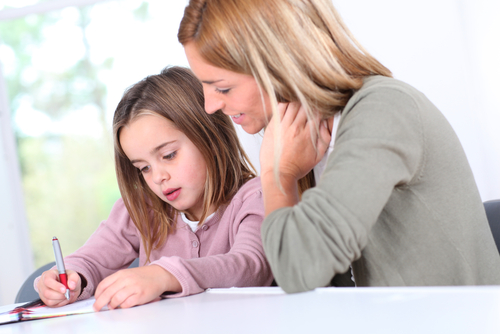
Sticking a pic of Liam in here – because it’s my blog and because he is so darn cute (when he is not talking back of course).

IMG_0843

Leave a comment »

An End to Homework Battles?? Yep!

I was reading a popular magazine this weekend and came across an article that I found very interesting. It was about a father who happily “discovered” that if he gave his children the passcode to their computers AFTER they completed their homework the children were more likely to complete the homework right after school and with less complaints. He was also able to end the homework battles and tension in the home.

The reward technique that he “discovered” is actually the basis of Behavior Modification:

A REWARD INCREASES THE FREQUENCY OF THAT BEHAVIOR OCCURRING IN THE FUTURE.

In this case it translates simply into Homework first, then (and ONLY then) you will get access to your computer (your favorite toy or game). Nothing is taken away, no threats are made, no negotiating is done.

How many times have you caught yourself saying “If you do not finish your homework you are not playing XBOX (using the computer, riding your bike, etc)!!”  This is a classic technique used by parents that will get little or no results. It may even backfire when your child tells you “That’s fine, I didn’t want to play with my computer today anyway!”.  Now you are stuck in the very frustrating loop of negotiating, yelling even begging your child to do their homework – you lost your power, you are frustrated and the homework is STILL not getting done. There is no motivation in this technique. Contrary to what our parents may have believed PUNISHMENT is NOT motivation. BUT if you REWARD the behavior you are looking for the child will respond differently!

Instead of punishing the children if they did not complete their homework he defined a CLEAR, SIMPLE and CONSISTENT house rule: Homework first (behavior), then computer access (reward).

The reward can change. The reward has to be highly motivating for the child and it must be immediate. If one day he is interested in the computer but the next day he wants to ride his bike then you can change the reward: Homework first, then bike ride.

If your child is having trouble getting started or is overwhelmed by the amount of homework that he/she has then you can help him/her and motivate while building his/her confidence at the same time! Use the same technique broken down into more manageable steps: 5 homework questions completed = 5 minutes of access to favorite toy (use a timer so there is consistency). Another 5 questions answered = another 5 minutes of access, and so on.

You will be amazed at the results! (I stole that line from a Diet ad in the same magazine 🙂
All smiles :)

Leave a comment »

Hurricane Sandy – what to do now.

I have had families ask me how to handle the aftermath of Hurricane Sandy with their children. This is a topic that I hope I will only ever have to discuss ONCE as the devastation and destruction I see around me will hopefully never happen again.

It is important to remember that every person handles trauma differently; children are no exception. Every family has a different story of how Sandy has affected their lives. This natural disaster was shocking and emotionally distressful for both parents and children. You may see certain behaviors occur such as an increase in temper tantrums, bed wetting or talking back.  Here are some general suggestions on how to handle “life after Sandy” with your children:

1) Answer questions honestly and age appropriately with your children. Reassure the child that they are safe.

2) DO NOT let your children watch the news!  Children’s brains are not equipped to deal with scenes of the destruction over and over again. This will cause anxiety and a sense of hopelessness.

3) Try to get back to a “normal” schedule as soon as possible. This includes eating, playing and sleeping.

4) Relax expectations with your children during “recovery”. Stress may affect their grades, sports accomplishments and behavior for the time being. This is okay.

5) Be a strong role model. It is okay to cry in front of your children but you must also show them that you are able to calm yourself and be strong in their presence. You can even use this opportunity to teach them “calming” techniques: breathing exercises, yoga movements or mindfulness techniques such as how a “half-smile” almost always turns into a real smile and feelings of happiness.

6) Give your children opportunities to express themselves. They can use art (draw pictures, write a song, make cards) to express themselves. They can also talk to you as you listen calmly and lovingly.

7) Hugs, hugs and more hugs! Many children crave increased physical affection from their parents during times of stress. You may even want to plan extra family time with them.


2 Comments »

Discipline vs. Punishment: 2 very different things.

Discipline and Punishment are not the same thing. They are two very different approaches to parenting.

Discipline is an INNER quality. It is not something with which children are born. It is a LEARNED behavior. It is TAUGHT. This includes self-discipline and self-control.

Punishment is some that happens to a child. There are 2 types of punishment:

negative punishment – when something is taken AWAY from a child. Negative punishment occurs when a child loses access to something such as a video game or recess.

positive punishment – occurs when something is ADDED to the environment such as a stern look or an extra chore. The most known example and controversial positive punishment is physical punishment such as a slap.

PATIENCE as a parent comes with understanding these very different forms and with an understanding of appropriate age related expectations.

TIPS FOR DISCIPLINE:

1) Model the correct behavior for them. Let your child(ren) see what appropriate behavior looks like by the way you act (and react) everyday.

2) If they are hitting or pinching another child then step in and teach them an appropriate way to express their anger and frustration – remember they do not know how to control their impulses – it must be taught to them.

3) Avoid telling children what they cannot do – tell them what they can do instead. So instead of saying “Do not throw the blocks!” you can say “You can use the blocks to build things” and then show them.

4) Use inappropriate behaviors as opportunities to teach appropriate behavior.

My job as a Parent Coach is to teach how to Discipline. I do not use Punishment as a means to an end. I always tell my parents to see every opportunity as a teaching moment.

Never hit or spank a child. This humiliates them and literally changes the person they will become. It teaches absolutely nothing  to a child except to be fearful of you and that violence is okay. If you are frustrated (we have all been there) model self-control by walking away for a moment, taking a deep breath and analyzing the situation from a calmer perspective.

Remember it is our job as parents to teach our children with love and respect.

Please feel free to contact me with questions on how to address a specific behavior. I would love to hear from you!

Leave a comment »

Is that behavior acceptable?

You may have asked yourself this question many times while raising your child. Or you may have realized instinctively when they were acting out inappropriately (tantrum in grocery store). Either way it helps to understand the definition of acceptable (adaptive) versus unacceptable (maladaptive) behaviors if you are going to address the later in a successful way.

Adaptive behaviors are everyday living skills such as talking, walking, brushing teeth and getting dressed.

Maladaptive behaviors are also known as behavior problems. They are behaviors that interfere with everyday activities.

It is important to remember that our children are not born knowing what is acceptable and unacceptable behavior. It is our jobs as parents to teach them.

We teach them in many ways:

1) We show them by our actions (we “model” the correct behavior).

2) We physically teach them everyday skills such as tying their shoes.

3) We interact with families and with other people who share our morals and values.

4) We use discipline and punishment in a loving, respectful and nurturing way when addressing unacceptable (maladaptive) behaviors. There is a big difference between discipline and punishment which I will get into in my next post.

5) We view unacceptable behavior as opportunities to teach acceptable behavior.

There is no doubt that it is a lot of work being a parent. I personally think it is the hardest job on the planet (other than the person who cleans tiger cages at the zoo). However it is also the most rewarding. Once you understand these teaching methods (most of which you have probably already incorporated) you can be sure that you will raise a child who has self-esteem, self-awareness and self-control. Your child will be ready to go out into the world knowing right from wrong and contributing to society and possibly their own families in a loving, respectful and nurturing way.

Please feel free to contact me if you need help further defining adaptive vs. maladaptive behaviors. I would love to hear from you!

Leave a comment »

Only 4 Reasons for Behavior…please memorize – it will make your life a lot easier.

I touched on this in the Tantrum post but now I would like to elaborate on one of the most important aspects of living with and raising children (and husbands ;):

There are only 4 reasons why ANY human being participates in a behavior:

1) Access 

2) Escape

3) Attention

4) Self -Stimulatory

Any and all behaviors can be broken down into one of these categories.

We seem to be much more aware of this fact when our children are infants. We actually spend a lot of time trying to decipher their behavior and are very attuned to their needs and desires based on that behavior. For example you knew that your child was hungry by the tone of their cry and tug of your shirt (access to tangible – milk/food). If they were still crying even after having a full belly you knew that they probably needed their diaper changed (crying = escape – dirty diaper). When they sucked on their pacifier it was self- stimulatory (my son used to rub his ear – too cute). And when they became toddlers and said “Mom watch!” ( a hundred times 🙂 while they jumped into a pile of  leaves they were looking for attention.

Somewhere after infancy you may have lost sight of these reasons.

The good news is that any and all of their behaviors are based on this 4 reason model. If you memorize this you will find that you are much more patient with your child(ren) and even your husband, coworkers, family and friends.

Just as an adult wakes up in the morning and goes to  work everyday (access to tangible – money), participates in a hobby (self stim) or an addiction (escape), children also have their reasons. They are never  “acting out”  just to torture you (although it can certainly feel like it); they are behaving that way for a reason.

The really good news is that once you define the reason you are better equipped at understanding the behavior. You can then handle the need appropriately. Your reactions will change. Your understanding will play a role now in how you handle that behavior and your love and respect for each other will blossom.

In my next post I will define and give examples of acceptable behavior (adaptive) vs. non acceptable behavior (maladaptive). This will give you further insight into how to meet your child’s needs appropriately.

Please feel free to email me with any questions and/or help defining a certain behavior that may be baffling you.

Thanks for reading! Have a great day!

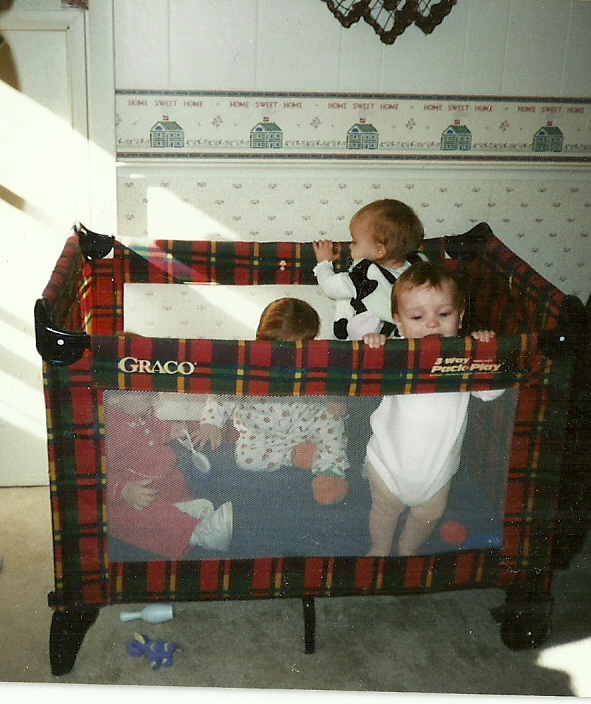
Behavior = Crying
Reason = Escape

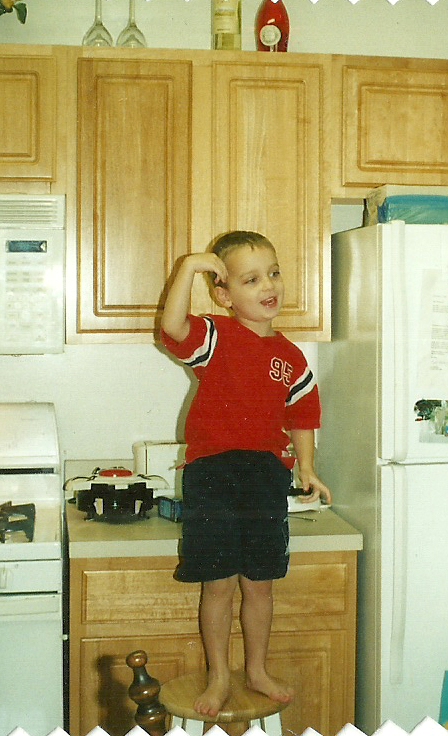
Behavior = Standing on tall stool
Reason = seeking Attention

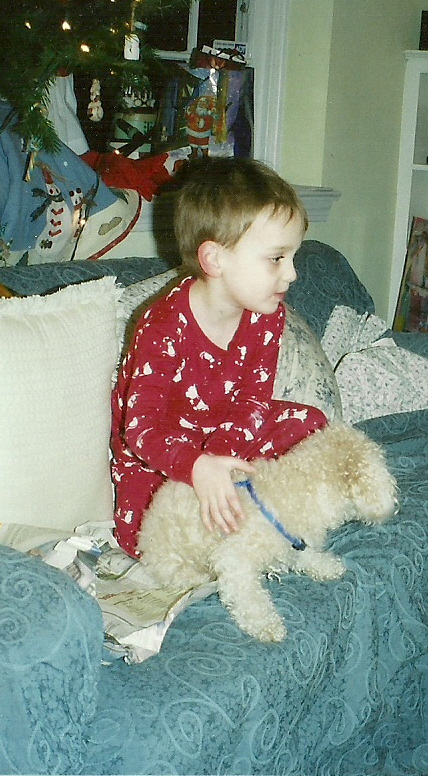
Behavior = Chasing dog
Reason = Access (to dog)

Leave a comment »

Over Bonding – yes there is such a thing…

Except with crazy glue (especially when hanging by a helmet from a really tall building) over bonding is considered a bad thing.

As I explained in my first post, Bonding is necessary for successful parenting. Over bonding, however can put even the most well-intentioned parents at a disadvantage and cause a host of problems for you and your child.

Signs of Over Bonding:

  • Your child is overly dependent on you.
  • You feel overly responsible for your child and feel guilty if you cannot provide them with their every desire.
  • Your child struggles to make independent decisions.
  • You speak for your child.
  • Your child is lacking self-confidence.
  • You are still breast feeding your 6 year old 😉

These may be signs of over bonding. Over bonding has been linked to a lack of self esteem, misguided relationships and anxiety in children and young adults.  The good news is that it is never too late to build an appropriate bond with your child!

Tips to build and then nurture an appropriate bond:

  • Make eye contact when you are speaking to each other.
  • Hugs and kisses (even baby and toddler massages).
  • Read to each other.
  • Let your child make (age appropriate) decisions on their own.
  • Tell your child your favorite childhood stories.
  • Create family rituals. Celebrate family traditions.
  • One on one time is a must!
  • Play with them (minus your cell phone – guilty oops).

Remember that appropriate bonding will HELP and TEACH your child to maintain emotional balance, develop fulfilling intimate relationships, be self-reliant and independent, give them a great deal of self-esteem, share their feelings and seek appropriate support, and rebound from disappointment and loss.

Happy Bonding!

Leave a comment »

Tantrums…like nails down the blackboard of life.

Tantrums are a very common behavior in children (and occasionally adults – but that is a post for the Oprah blog). They can  appear seemingly out of nowhere (as a Behaviorist I can tell you this is never the case) and always at the most inconvenient times (this is most definitely always the case). The good news is that there is a way of handling tantrums that should make them disappear altogether (a tantrum bug zapper if you will).

There are only four reasons for a behavior (any behavior) to occur: attention seeking, access, escape, self stimulatory. Most tantrums are an attention seeking behavior.

Parents can give attention in a myriad of ways:

physical attention (physical proximity to a child or physical contact)

verbal attention (any word that comes out of your mouth)

eye contact

gestures (no not THOSE kind of gestures). Pointing is the most common gesture.

With this knowledge about attention seeking tantrums I now can recommend to you the most highly effective, 100% guaranteed way to stop a tantrum in its tracks: IGNORE.

Steps to ignoring a tantrum:
1) make sure your child is in a safe place (so they cannot injure themselves and/or others).
2) DO NOT ENGAGE the child in ANY WAY (this means no eye contact, no talking, no verbal direction or negotiating, do not try to “talk them down” – this actually feeds the tantrum and will make it last longer).
3) If they leave their bedroom, time out corner or safe area (spot on the lawn or kitchen floor where they began behavior) in the throes of a tantrum you can point (or gesture) them back to their safe spot. You should then leave that area so they cannot and do not have your physical attention.

Taking the attention away will diffuse the tantrum. With that being said I should also mention that the first 2 or 3 times you employ this technique the tantrums may actually get worse. Your child may become confused by this new tactic and will test the waters even more. The good news is that once they realize that you are holding your ground the tantrum behavior should subside and stop completely. Over a short period of time you should see a decrease in the amount of over all tantrum outbreaks.

Remember that all techniques that I describe are employed with love and respect. It may seem cruel to take your attention away from your child but I can assure you, in this particular situation it is not. You are actually using this exact moment as a teaching moment.  Our number one job as parents is to teach our children. You are teaching your child that a tantrum is not an acceptable  or productive behavior.

Please let me know if you have any specific questions about tantrums. I would be happy to hear from you!

Have a great day!

Leave a comment »

Lets start with the basics…bonding.

In order for any child/parent relationship to thrive it requires bonding. Bonding is the emotional mutual connection between a parent and child based on unconditional love. Unconditional love is a love you feel regardless of the child’s abilities, actions or accomplishments. It is different from a love that you may have for a spouse – in a marriage you have conditions for happiness and growth (you may not cheat on me, lie to me, abuse me or buy me cubic zirconia) – it is built on deep love, respect and healthy conditions.

Unlike a spousal relationship, a parent/child relationship does not have conditions (you will feel and express love for your child even when they misbehave, talk back, shove legos into the DVD player and/or shave the dog – again). This requires a strong connection of love, affection and understanding.

Signs of healthy bonding with your child:

There are ways in which you can know whether you and your child share a bonded relationship. Some of the signs of healthy bonding are:

  • You have genuine interest in your child and his/her activities.
  • You hold and touch your child tenderly and affectionately.
  • Your child develops the confidence to take independent decisions.
  • Your child feels secure and comfortable.
  • Your child has a great sense of self-worth and self-esteem.

Building a healthy bond:

The following are some of the methods that you can employ to build a natural, healthy bond with your child:

  • Touch your child lovingly and tenderly.
  • Talk to your child as much as possible.  Always make eye contact.
  • Do not expect your child to act like an adult.  Remember their age.
  • Forgive them and teach them the right way to do things.
  • Encourage your child to build a circle of friends.
  • Listen and acknowledge your child’s problems. They may seem trivial to you but they are not to your child.
  • Allow your child to be his or her own person.
  • Do not force your views on your child.
  • Encourage independent thinking and problem solving.

A strong bond is the foundation on which your child will build his or her life. It is never too late to build a strong bond (or buy another DVD player).

Leave a comment »

Hello Parents!


Hello world!

I have started this blog to share some (at least what I consider to be) valuable and professional information with you free of charge! Yay free stuff!!

I witness parents struggling everyday with the most basic parenting skills: communication, discipline, homework, puberty, schedules, meal time, etc.  I have been there too.

 As a Parent Coach and Behavior Therapist I have been able to collect useful information over the last few years and apply helpful hints regarding these very important parenting issues to my own son.  And the good news is that there IS a better way!

If you read my posts you will begin to see a “pattern” or “style” to the parenting techniques. This is “the better way”.  It is calm, assertive and consistent. It is always loving and respectful. It can be applied by anyone – parents, siblings, aunts, uncles, even Grandparents (yes it’s true!) – to establish and maintain parental control and a happy home.

Enjoy!

5 Comments »

NJTODAY.NET

Your neighborhood in print since 1822

Breastcancer.org Blog

Easy behavior modification techniques to change the way you parent.

VandogTraveller

Easy behavior modification techniques to change the way you parent.

Fill Your Own Glass

A realistic approach to an optimistic life